
What’s the Squeal?
Before the Rub, Check What’s in the Meat
Read the package before you open the bottle.
By Paul Holden, Owner & Pitmaster, Willingham’s World Champion BBQ
Part of What’s the Squeal?
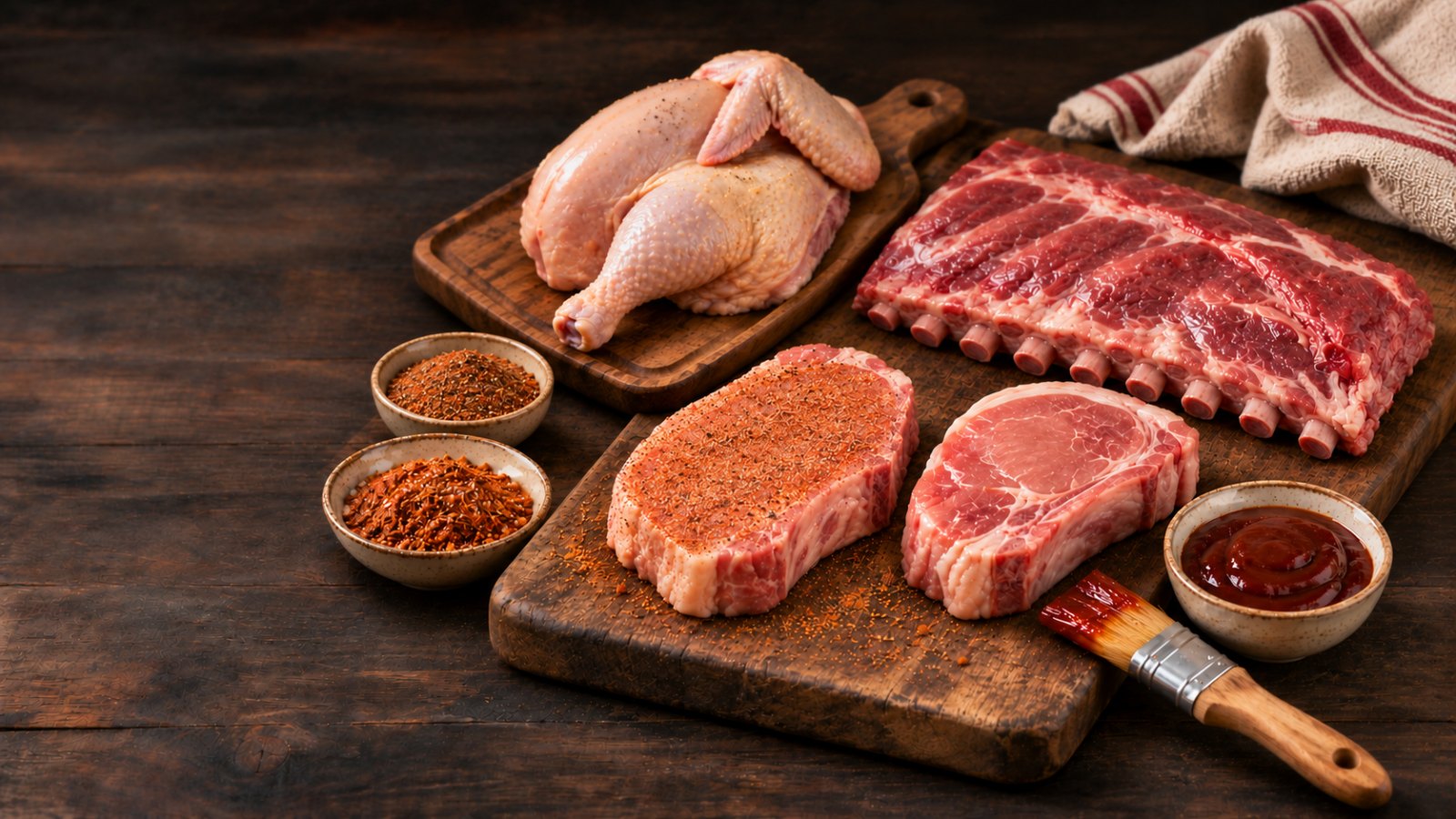
Before you open the seasoning bottle, turn the package over. Meat from the grocery case can already have salt in it before you ever touch it. Then look at the rub, the marinade and the sauce you plan to use. Every one of them brings salt to the same bite. A minute reading labels gives you a better starting point when it’s time to season.
Is your meat enhanced?
Grocery-store pork today can be “enhanced” — ribs, chops, loins, butts — and chicken can be too. That means it’s been pumped with a solution before it hits the case, usually water, salt and sodium phosphate, sometimes sodium lactate. It’s sold as juicier and more tender, and it holds moisture even if you overcook it. It also adds weight you’re paying for.
The trade-off is in the eating. A lot of cooks, pro or backyard, myself included, say enhanced ribs come out dense, almost like ham, especially under a salty rub.
Here’s how to tell. Look on the label near the name of the product for small print like “contains up to 12% of a solution of water, salt, sodium phosphate.” The number changes from package to package. If you see that line, the salt is already inside the meat, all the way through. You can’t rinse it off.
That line isn’t the packer being friendly. Since 2016, the USDA has required it as part of the product’s name, with the percentage and everything in the solution, listed heaviest first. Here’s the funny part: the word “enhanced” isn’t allowed in that name. Everybody at the meat case calls it enhanced, but you won’t find the word there. You’ll find the percentage. Words like “extra tender” on the front are a good hint, and phosphate or lactate in the ingredients settles it.
If the label just says pork, with nothing added, you’re starting clean. Don’t go by the brand, either. The same company can sell enhanced ribs and plain ones side by side, so read every package.
Now read your rub and your sauce
Do the same thing with whatever you season with — ours or anybody else’s. Ingredients are listed by weight, heaviest first. If salt is the first word on a rub, salt is the biggest thing in that bottle. Sauces, marinades and injections carry salt too.
The Nutrition Facts panel shows sodium per serving. Before you compare two products, check the serving size. One might be a quarter teaspoon and the other a tablespoon, and the numbers won’t mean the same thing.
Add it all up
Before you decide how much of anything to use, put it all on the counter: the meat, the injection or marinade, the rub and the finishing sauce. Ask which of them bring salt. Enhanced ribs, plus a salty injection, plus a heavy rub, plus sauce at the end, is how a good cook ends up tasting like a salt lick.
What I do
- Buy meat without a solution when you can. It’s the simplest fix. Ask the butcher, or read the label. The pork at Big Shanty and on the Willingham’s competition team isn’t enhanced. Nothing added.
- Count your injection. We don’t brine ribs or pork. That’s a chicken or turkey thing. We do inject, so read the injection’s label too. On enhanced meat, it’s adding salt to salt that’s already there.
- Go lighter on the rub, or use one with less salt. The meat already brought its share.
- Taste the whole bite. Meat, rub and sauce together are what you’re eating. Taste before you sauce heavy.
- Write it down. What package, how much rub, how it tasted. The next cook starts from what you know, not from a guess.
If you’re layering a rub with a sauce, our W’ham® Pairing Matrix shows which W’ham® seasonings and sauces work together.